Century homes in Ontario
Century homes are the best-built and worst-behaved houses in Ontario. Here is what a real renovation costs, which surprises to budget for, and what is genuinely worth saving.
Century homes are the best-built and worst-behaved houses in Ontario. Here is what a real renovation costs, which surprises to budget for, and what is genuinely worth saving.
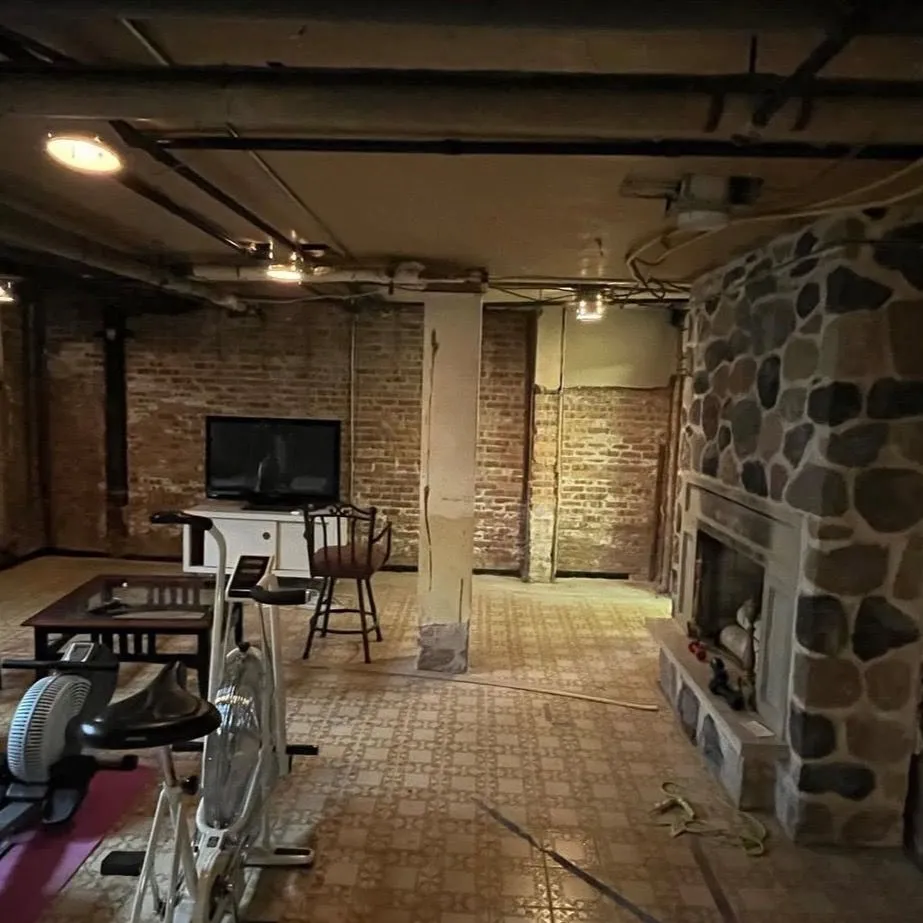
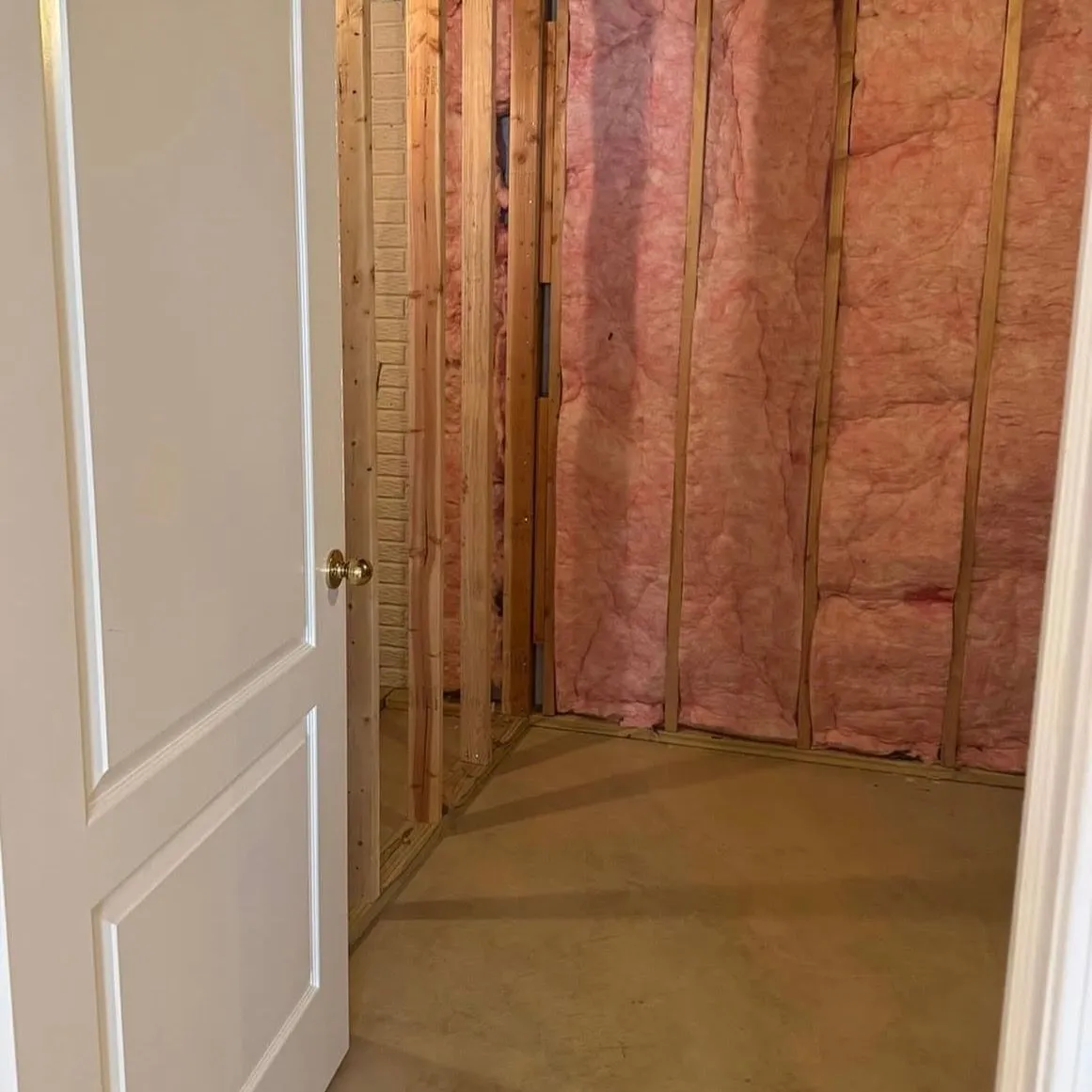
Renovating a century home in Ontario typically costs $200 to $400 per square foot, against $150 to $300 for a comparable post-war house. The premium comes from what is behind the walls: knob and tube wiring, no insulation, rubble foundations, plaster, and asbestos. Budget a 20 percent contingency, because in a century home the surprises are not a possibility, they are the plan.
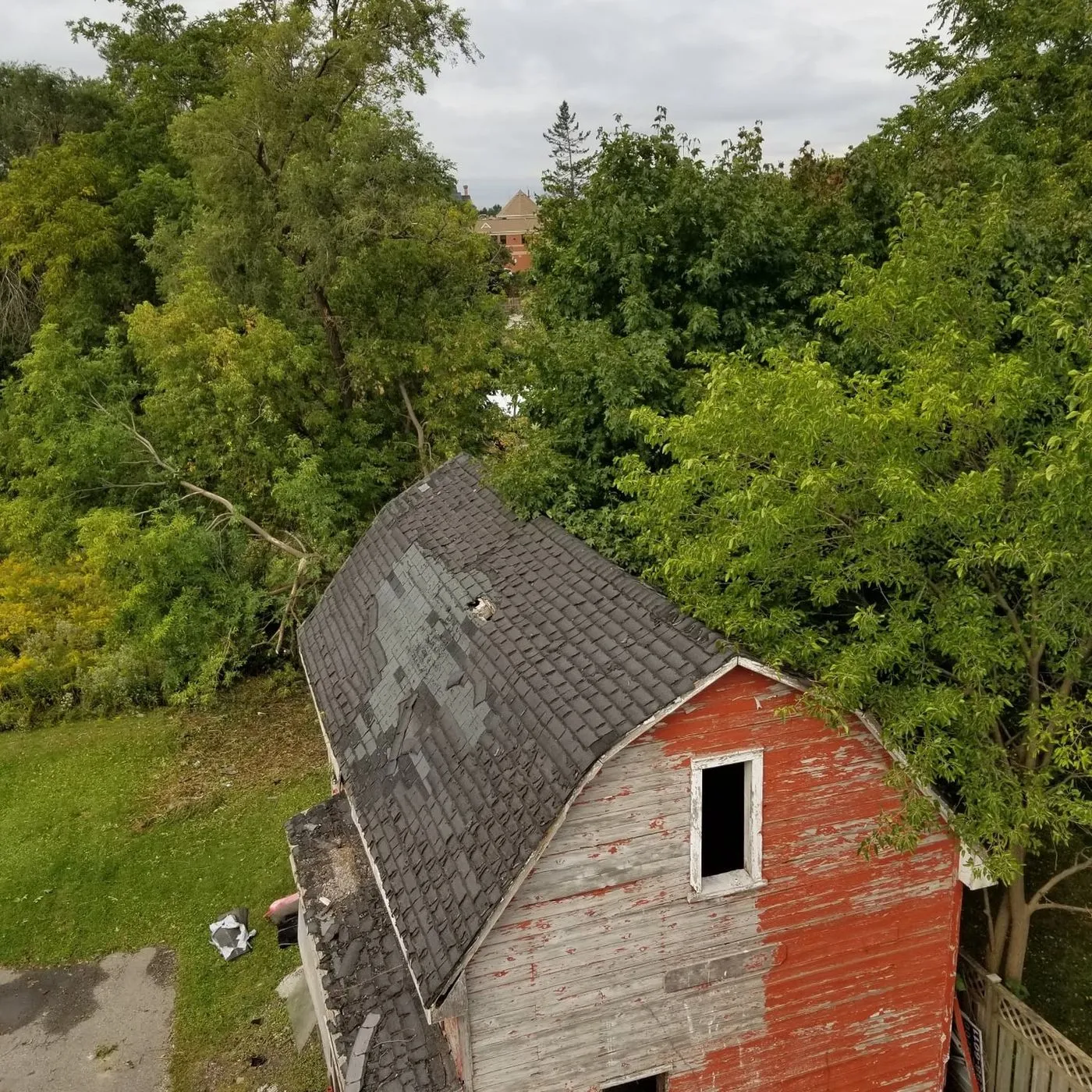
A century home in Ontario means something specific: built before roughly 1920, usually brick, usually balloon framed, with a rubble or stone foundation and no insulation anywhere in it. They were built by people who expected them to last, out of materials nobody would pay for today. They are also full of a hundred years of other people’s decisions.
| Scope | Typical cost |
|---|---|
| Cosmetic refresh: paint, floors, fixtures | $60 to $120 per sq ft |
| Kitchen and bathrooms, services left alone | $100 to $200 per sq ft |
| Full gut with rewire, plumbing, and insulation | $200 to $400 per sq ft |
| Gut plus underpinning and structural work | $350 to $550 per sq ft |
| Contingency for the unknown | 15 to 25 percent of the above |
The per-square-foot premium over a post-war house is roughly 30 to 40 percent for equivalent work. That is not contractors charging more for charm. It is that almost nothing is square, standard, or where the drawings say.
These are not edge cases. On a pre-1920 house, expect most of them:
The reason to buy a century home is the things nobody builds anymore. Keep them:
What to let go: the wiring, the plumbing, the furnace, the rubble foundation waterproofing, and any 1970s “improvement” that covered something original.
We have been renovating Ontario's older housing stock for two decades. Test first, sequence right. Get a quote.
Talk to ZeybekNot every old house is a heritage property, and the distinction matters:
Check the status before you design, not after. A designated property discovered late can invalidate a set of drawings and several months of planning. Our permit guide covers the rest of the approvals.
Century homes punish work done out of sequence, because everything is connected:
The temptation is always to start at step six, because that is the part you can see. Every century home disaster we have been called into started with a beautiful kitchen installed above a wet basement and beside century-old wiring.
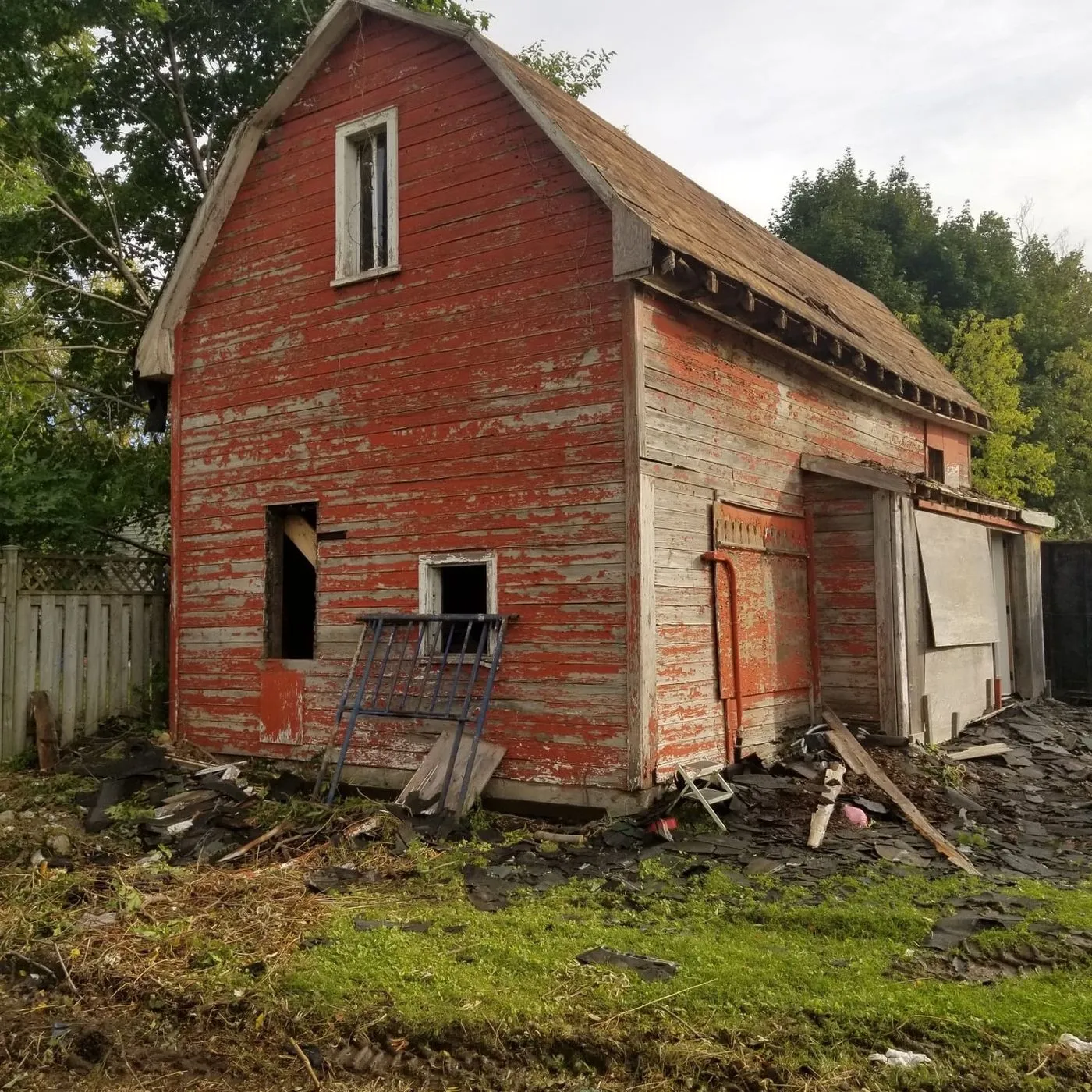
Roughly $200 to $400 per square foot for a full gut with rewiring, plumbing, and insulation, against $150 to $300 for a comparable post-war house. Add a 15 to 25 percent contingency, because surprises are the norm rather than the exception.
Knob and tube rewiring, asbestos and lead abatement, the absence of any insulation in solid masonry walls, fire blocking required by balloon framing, and rubble foundations with no weeping tile. Most pre-1920 Ontario homes have several of these.
Not automatically. A sound wood sash with a good storm window can outperform a cheap replacement and last another fifty years. Replace when the frames are rotten or out of square, not simply because the glass is old.
Yes, but alterations to the protected heritage attributes require a heritage permit from your municipality. Being listed on a register is different from being designated, and a Heritage Conservation District has its own rules. Confirm your status before you commission drawings.
Building new is often cheaper per square foot. People renovate century homes for the location, the craftsmanship, and materials that are no longer available at any price. It is rarely the economical choice, and that is fine as long as you go in knowing it.

Zeybek Construction
General contractors, Ontario
Written by the Zeybek team from more than two decades of renovation and construction work across Ontario, from Toronto and the GTA to Kitchener, Waterloo, and beyond. We build kitchens, bathrooms, whole homes, additions, and commercial spaces, and we handle permits and inspections as part of the job.
Last updated July 16, 2026. This guide is general information for Ontario homeowners and is not a substitute for a site-specific quote or municipal advice. Costs, rebate programs, and rules vary by municipality and change over time.
We have been renovating Ontario's older housing stock for two decades. Test first, sequence right. Get a quote.