Insulation in Ontario
Insulation is the cheapest heat you will ever buy, and the most commonly done backwards. Here is what it costs in Ontario, what the rebates pay, and why air sealing has to come first.
Insulation is the cheapest heat you will ever buy, and the most commonly done backwards. Here is what it costs in Ontario, what the rebates pay, and why air sealing has to come first.
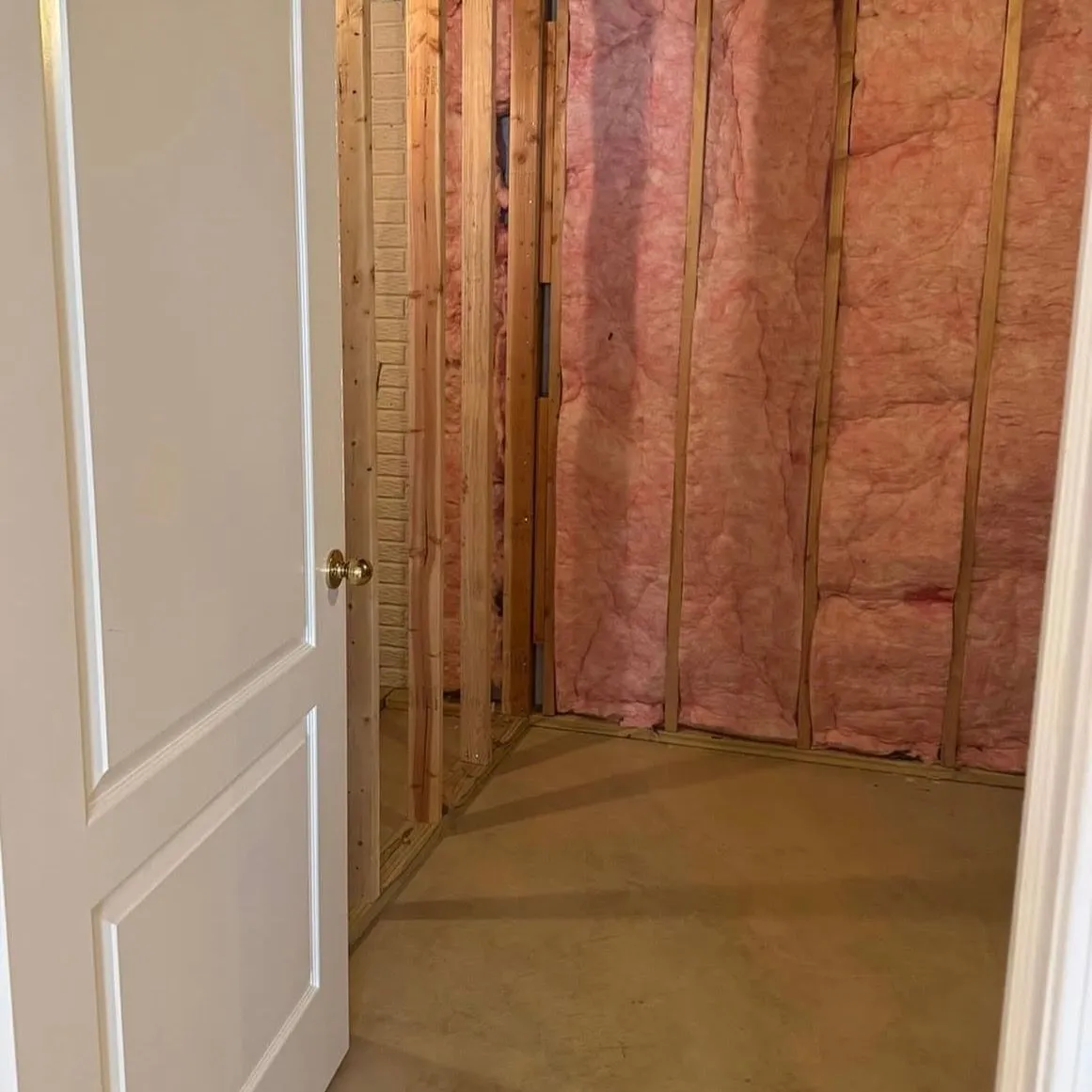
Home insulation in Ontario typically costs $2,500 to $5,000 for an attic, $4,000 to $12,000 for walls, and $3,000 to $8,000 for a basement. The Home Renovation Savings Program pays up to $7,700 for insulation and up to $250 for air sealing, but both sit in the bundle stream and need a $600-rebated home energy assessment first.
Insulation is the least glamorous money in a renovation and the best value in it. Nobody visits and admires your attic. But it is the only upgrade that makes every other system cheaper: a tighter house needs a smaller heat pump, less solar, and less of everything forever after.
This is the part almost everyone skips, and it is the part that matters most. Insulation slows heat moving through a material. Air sealing stops air carrying heat straight past it. A wall stuffed with R20 batts and full of air leaks does not perform at R20; it performs at whatever the draughts allow.
Air sealing is also dramatically cheaper: $800 to $2,500 for a typical Ontario home, usually returning more comfort per dollar than any other envelope work. The leaks that matter are rarely the ones you feel:
| Area | Typical cost |
|---|---|
| Air sealing (blower door guided) | $800 to $2,500 |
| Attic, blown-in to R60 | $2,500 to $5,000 |
| Basement walls, spray foam or rigid | $3,000 to $8,000 |
| Exterior walls, drill and fill | $4,000 to $9,000 |
| Exterior walls, from inside during a gut | $6,000 to $12,000 |
In order of return per dollar in an Ontario house:
Solid masonry century homes are the exception to all of this. There is no cavity to fill, so insulating means building an interior assembly, losing floor area, and thinking hard about where the dew point lands inside the wall. Done wrong it traps moisture in brick that has been drying inward for a century. See our century home guide.
Under the provincial Home Renovation Savings Program, insulation sits in the bundle stream, which means it requires a home energy assessment and at least two upgrades:
Because it is a bundle, the sensible play is to combine insulation with windows or air sealing and claim across the whole package. Confirm current terms on the Save on Energy site before committing, since the program is confirmed through November 2026 but can close earlier.
Blower door first, then seal, then insulate, with the rebate bundle handled. Get a quote.
Talk to ZeybekOne warning specific to older Ontario housing: never blow insulation into walls containing active knob and tube wiring. That system depends on open air to shed heat, and burying it is both a code violation and the mechanism behind most knob and tube fires. Establish what is in the cavities before anyone drills a hole.
Typically $2,500 to $5,000 to blow an attic up to R60, depending on area and access. It is usually the best return per dollar of any envelope work, after air sealing.
The Home Renovation Savings Program offers up to $7,700 for insulation, $1,000 to $1,250 for attic insulation, up to $250 for air sealing, and $600 back on the home energy assessment. Insulation is in the bundle stream, so it needs an assessment and at least two upgrades.
Air seal first, always. Insulation slows heat moving through material; air sealing stops air carrying heat straight past it. At $800 to $2,500 it is also far cheaper, and a blower door test finds the leaks that actually matter.
At rim joists and in basements, yes, because it is an air barrier and insulation in one and handles irregular surfaces. Across a whole attic, blown cellulose usually gives better value. Never spray foam over active knob and tube wiring.
Yes, but carefully. There is no cavity, so you build an insulated assembly on the inside, which costs floor area and changes where moisture condenses inside the wall. Done wrong it traps water in brick that has been drying inward for a century.

Zeybek Construction
General contractors, Ontario
Written by the Zeybek team from more than two decades of renovation and construction work across Ontario, from Toronto and the GTA to Kitchener, Waterloo, and beyond. We build kitchens, bathrooms, whole homes, additions, and commercial spaces, and we handle permits and inspections as part of the job.
Last updated July 16, 2026. This guide is general information for Ontario homeowners and is not a substitute for a site-specific quote or municipal advice. Costs, rebate programs, and rules vary by municipality and change over time.
Blower door first, then seal, then insulate, with the rebate bundle handled. Get a quote.