Basement waterproofing in Ontario
A wet basement is a symptom, not a diagnosis. Here is what waterproofing costs in Ontario, and how to avoid spending $20,000 on the wrong solution to a $400 problem.
A wet basement is a symptom, not a diagnosis. Here is what waterproofing costs in Ontario, and how to avoid spending $20,000 on the wrong solution to a $400 problem.
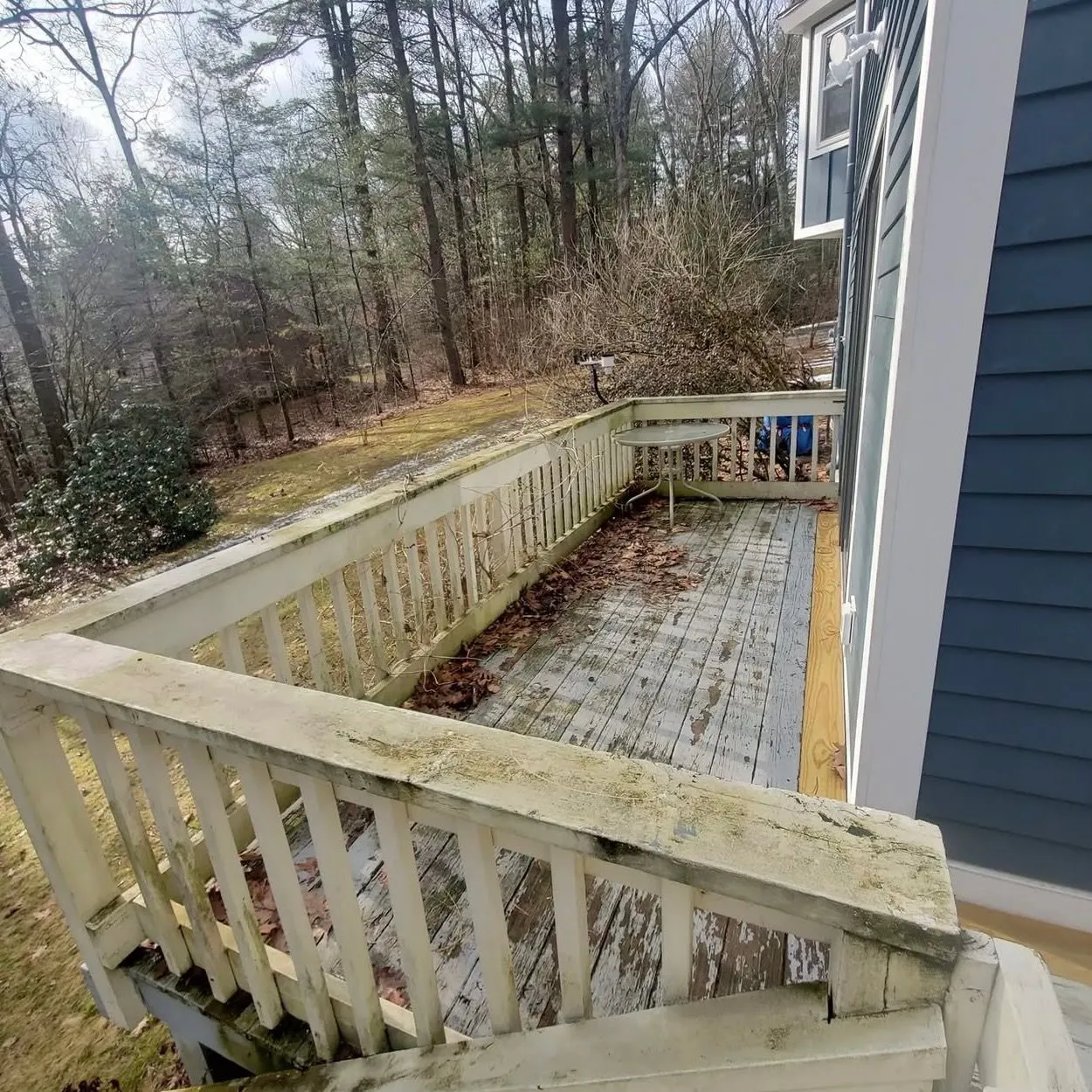
Basement waterproofing in Ontario typically costs $8,000 to $25,000. Interior drainage systems run $80 to $150 per linear foot; exterior excavation and membrane runs $150 to $350 per linear foot. Before spending either, confirm the source, because a surprising share of wet basements are caused by grading and downspouts and cost a few hundred dollars to fix.
Water gets into a basement in a small number of ways, and they cost wildly different amounts to fix. The expensive mistake is buying the biggest solution before identifying the problem.
Work outward from cheapest:
| Method | Typical cost |
|---|---|
| Regrading and downspout extensions | $500 to $3,000 |
| Crack injection, per crack | $400 to $900 |
| Interior drainage and weeping tile | $80 to $150 per linear foot |
| Exterior excavation, membrane, weeping tile | $150 to $350 per linear foot |
| Sump pump with battery backup | $1,800 to $4,500 |
These are genuinely different philosophies, not just price points.
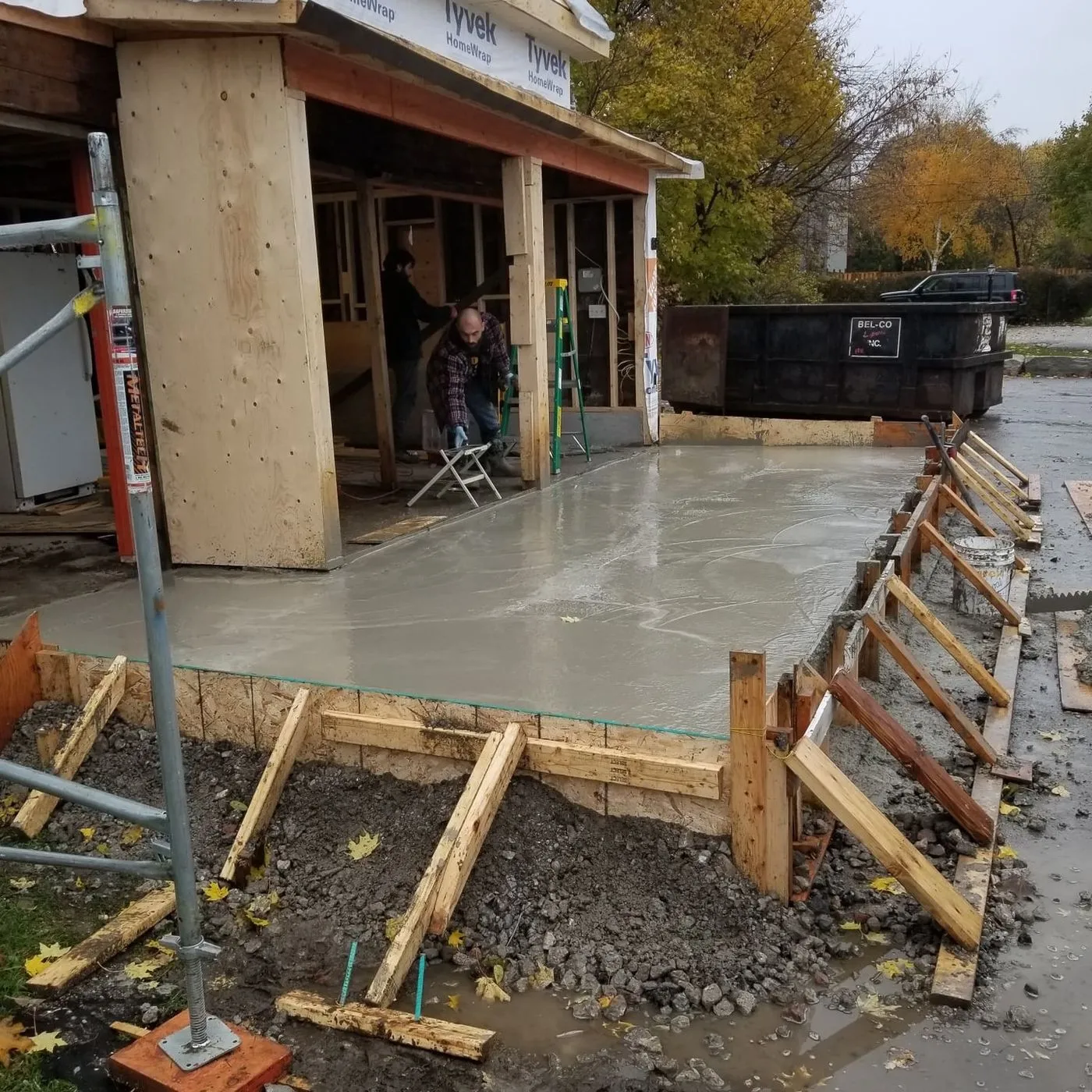
Exterior excavates to the footing, cleans the wall, applies membrane, and lays new weeping tile in clear stone. It stops water at the wall, which means the foundation itself stays dry. It is the permanent answer. It also costs double, destroys landscaping, and can be impossible where a neighbour’s house or a city sidewalk is in the way, which is common in Toronto.
Interior breaks the perimeter of the floor slab, lays new weeping tile inside the footing, and routes water to a sump. It manages water rather than excluding it: the wall still gets wet, the water just has a controlled path out. It is cheaper, works in winter, and does not touch the garden. On a rubble or stone foundation it is often the only practical option.
| Interior | Exterior | |
|---|---|---|
| Cost | $80 to $150 / ft | $150 to $350 / ft |
| Stops water at | The floor, after it enters the wall | The wall, before it enters |
| Disruption | Inside, dusty, floor broken up | Outside, landscaping gone |
| Winter work | Yes | Difficult |
| Needs a sump | Yes | Not always |
If you are underpinning or the floor is coming up anyway, do the interior system at the same time. Doing it later means breaking up a floor you just paid for.
We diagnose the source first, then fix it properly. Interior, exterior, and everything after. Get a quote.
Talk to ZeybekA sump pump does not waterproof anything. It is the exit for water a drainage system has already collected. Installing one without drainage to feed it accomplishes very little.
If you have one, or are getting one:
Several Ontario municipalities, Toronto among them, run basement flooding protection subsidy programs that contribute toward backwater valves, sump pumps, and severing foundation drains from the sanitary sewer. Amounts and eligibility vary by city and change over time, so check with your own municipality directly before you count on it.
Worth knowing: many insurers now require a backwater valve for sewer backup coverage, or discount the premium when one is fitted. That is often a better argument than the subsidy.
Once the basement is genuinely dry, and only then, our basement finishing guide covers what comes next. Finishing over a damp basement is the most expensive way to discover you have a water problem.
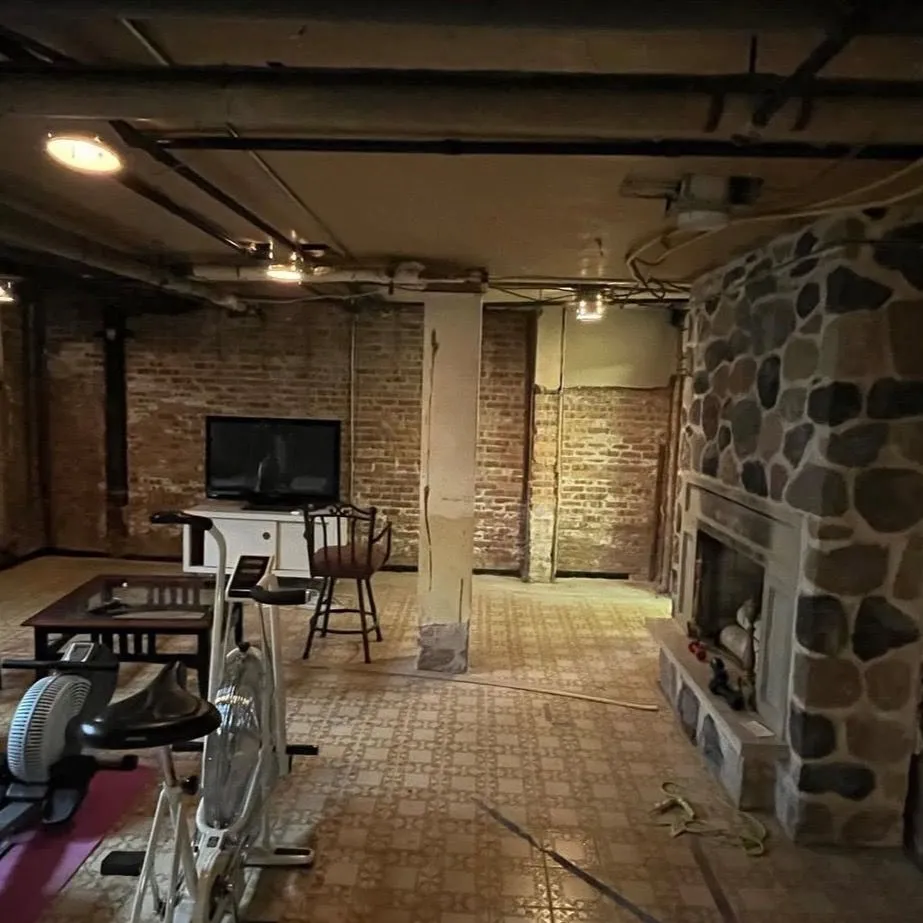
Interior drainage systems run $80 to $150 per linear foot, exterior excavation and membrane $150 to $350 per linear foot. Most projects land between $8,000 and $25,000, but grading and downspout fixes can solve the problem for a few hundred.
Exterior is the permanent answer because it stops water at the wall, but it costs roughly double and is often impossible on tight Toronto lots. Interior manages water to a sump instead, works in winter, and is usually the only practical option on rubble or stone foundations.
That usually points at surface water rather than groundwater: downspouts discharging beside the wall, soil graded back toward the house, or window wells with no drainage. Check those before pricing a full system.
No. A sump pump is the exit for water a drainage system has already collected. Without weeping tile feeding it, it does very little. If you have one, fit battery backup, because storms take the power out and bring the water in together.
Yes, without exception. Finishing over a basement that takes water means discovering the problem again behind new drywall, and paying twice.

Zeybek Construction
General contractors, Ontario
Written by the Zeybek team from more than two decades of renovation and construction work across Ontario, from Toronto and the GTA to Kitchener, Waterloo, and beyond. We build kitchens, bathrooms, whole homes, additions, and commercial spaces, and we handle permits and inspections as part of the job.
Last updated July 16, 2026. This guide is general information for Ontario homeowners and is not a substitute for a site-specific quote or municipal advice. Costs, rebate programs, and rules vary by municipality and change over time.
We diagnose the source first, then fix it properly. Interior, exterior, and everything after. Get a quote.