Knob and tube wiring in Ontario
If your Toronto house predates 1950, there may be knob and tube in the walls, and your insurer almost certainly cares. Here is what rewiring costs, and what actually has to go.
If your Toronto house predates 1950, there may be knob and tube in the walls, and your insurer almost certainly cares. Here is what rewiring costs, and what actually has to go.
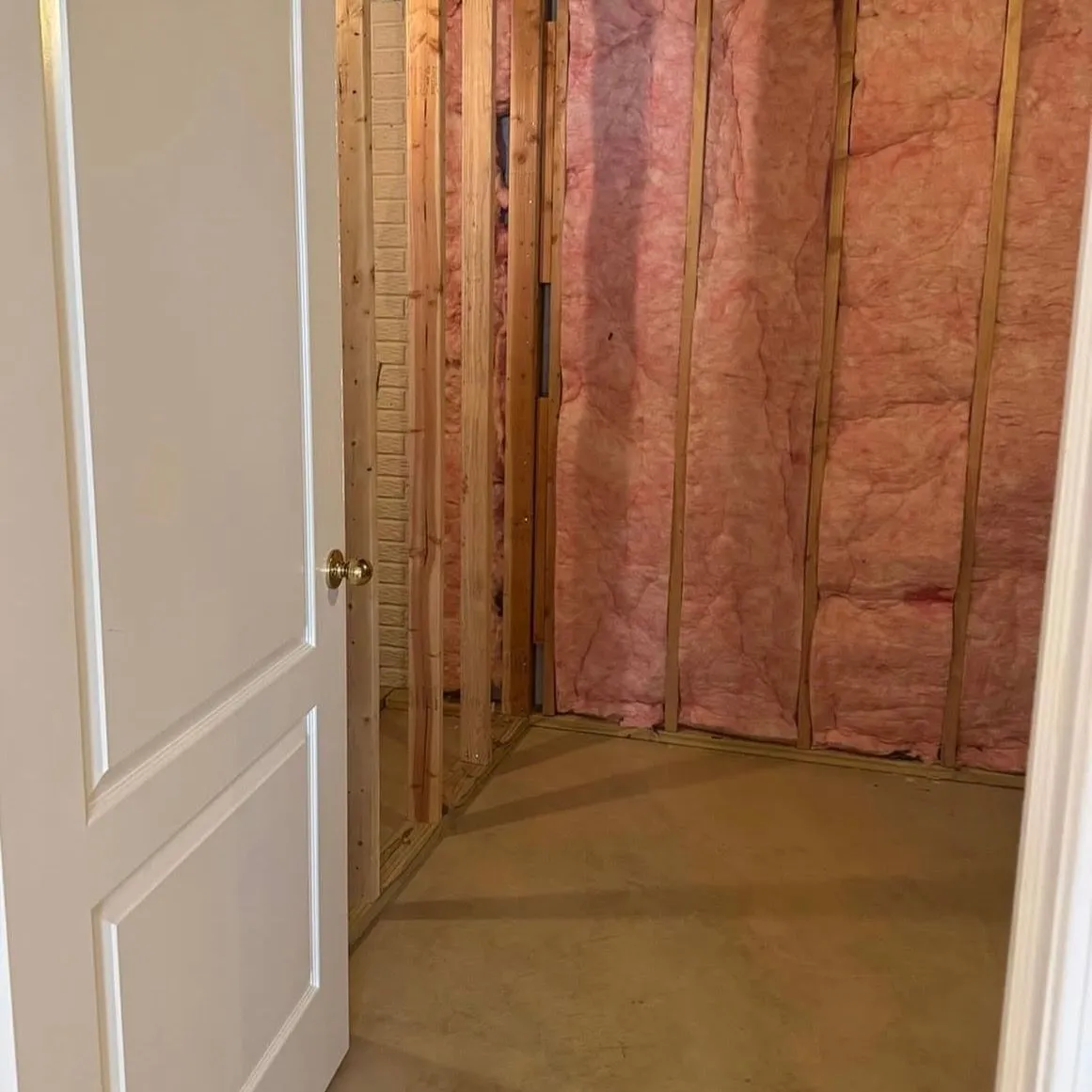
Rewiring a home with knob and tube in Ontario typically costs $8,000 to $25,000, depending on size and access. Most insurers will not write a policy on an actively energised knob and tube circuit, which is usually what forces the timing. The wiring is not automatically dangerous, but it has no ground, it cannot be safely buried in insulation, and it is 80 to 100 years old.
Knob and tube was the standard way to wire a house from roughly the 1880s to the 1940s, which covers a great deal of Toronto, Hamilton, and every older Ontario town. Individual conductors run through porcelain tubes where they pass through joists and are held off the framing by porcelain knobs, so the wires sit in open air.
That was a sound design for its era. Air is excellent insulation, and the system was built with generous clearances. Two things have happened since: the wiring is now 80 to 100 years old, and people have filled the cavities around it with insulation.
Look in the basement, in the attic, and anywhere joists are exposed:
Two-prong outlets are the giveaway you can check in ten seconds. They mean no ground, and no ground usually means original wiring somewhere.
This deserves a straight answer rather than a scare. Knob and tube is not inherently unsafe, and intact, undisturbed, correctly loaded knob and tube has run for a century without incident in a lot of houses. The real problems are what has happened to it since:
In practice, insurance is what forces the issue rather than safety. Most Ontario insurers will either decline to write a policy on a home with active knob and tube, or require an electrician’s certification that it has been removed or de-energised, usually within a set window after purchase.
This matters most at closing. Buyers of century homes routinely discover during the insurance binding process, days before closing, that the house is uninsurable as wired. If you are buying an older Ontario home, ask about the wiring before you waive conditions, not after.
We rewire century homes under ESA permit, and repair the plaster properly afterwards. Get a quote.
Talk to Zeybek| Scope | Typical cost |
|---|---|
| Partial rewire, remove active knob and tube only | $5,000 to $12,000 |
| Full rewire, small home or bungalow | $8,000 to $15,000 |
| Full rewire, two-storey detached | $15,000 to $25,000 |
| Full rewire, large or century home with plaster | $25,000 to $40,000 |
| Panel upgrade to 200A (often required alongside) | $2,500 to $5,000 |
The variable that moves the number is not really the size of the house, it is access. Fishing new cable through open stud bays is straightforward. Fishing it through a century home with plaster and lath, diagonal bracing, and balloon framing is slow, and every wire pulled means plaster repaired afterwards.
Which is why the timing advice is simple: rewire while the walls are already open. If you are gutting a kitchen, doing a whole-home renovation, or opening up walls anyway, the marginal cost of rewiring is a fraction of doing it as a standalone project. Done on its own it is mostly a plaster repair job with some electrical in it.
Two related notes. First, a panel upgrade to 200A often accompanies a rewire, both because the old panel is usually 60A or 100A and because anything you plan next, a heat pump, an EV charger, solar, needs the headroom. Second, all electrical work in Ontario must be done under an ESA permit and inspected. That is not optional, and the certificate is what your insurer will want to see.
For the wider picture on older homes, see our century home renovation guide.
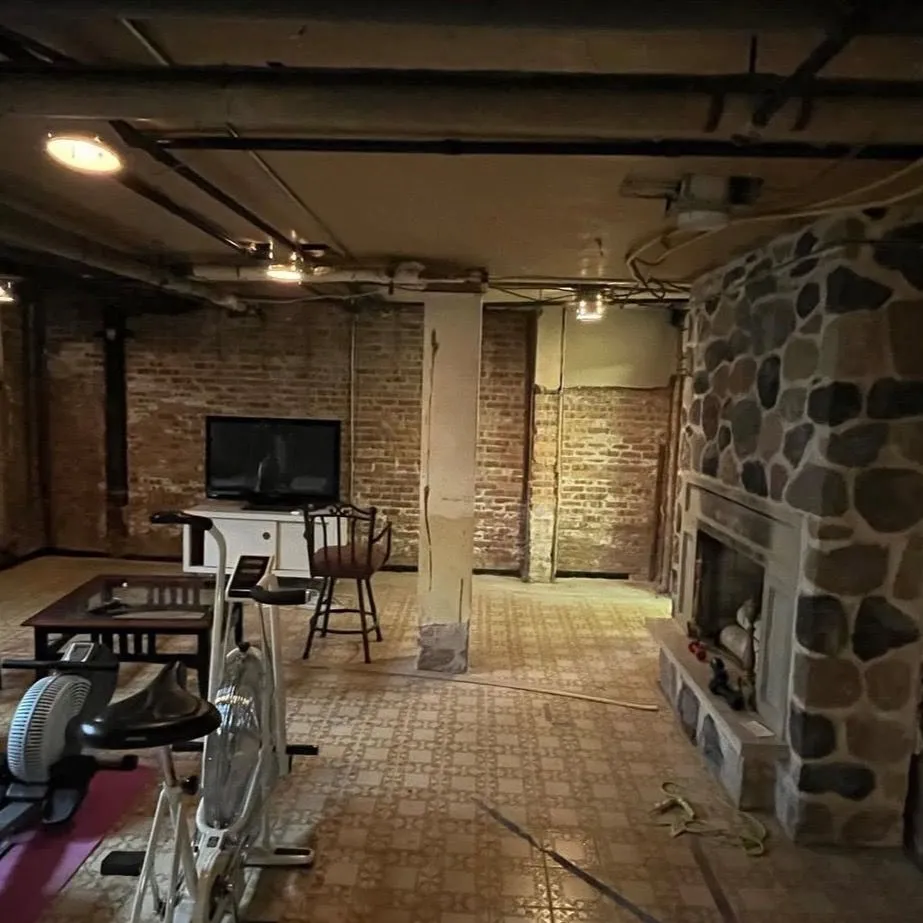
Typically $8,000 to $15,000 for a bungalow and $15,000 to $25,000 for a two-storey detached. A large century home with plaster and lath can reach $40,000, because access, not wire, is what costs money.
Most Ontario insurers will decline, or will require certification from an electrician that the knob and tube has been removed or de-energised, often within a set window after closing. Confirm insurability before waiving conditions on an older home.
Not inherently. Intact, undisturbed knob and tube has run safely for a century in many homes. The dangers come from what happened since: no ground conductor, insulation packed around wiring that needs air to cool, amateur splices, brittle sheathing, and circuits overloaded far beyond their design.
Usually only the active, energised runs. Abandoned wiring that is disconnected at both ends can often stay in place, which saves a great deal of plaster. Your electrician and your insurer determine the specific requirement for your home.
Not while it is energised. The system sheds heat into open air, so burying it in insulation removes its cooling and is both a code violation and the most common cause of knob and tube fires. Rewire first, then insulate.

Zeybek Construction
General contractors, Ontario
Written by the Zeybek team from more than two decades of renovation and construction work across Ontario, from Toronto and the GTA to Kitchener, Waterloo, and beyond. We build kitchens, bathrooms, whole homes, additions, and commercial spaces, and we handle permits and inspections as part of the job.
Last updated July 16, 2026. This guide is general information for Ontario homeowners and is not a substitute for a site-specific quote or municipal advice. Costs, rebate programs, and rules vary by municipality and change over time.
We rewire century homes under ESA permit, and repair the plaster properly afterwards. Get a quote.