Electric or gas: which fireplace is right for you?
A fireplace is the anchor of a room. Here is how electric and gas compare on cost, heat, and installation so you pick the right one for your Ontario home.
A fireplace is the anchor of a room. Here is how electric and gas compare on cost, heat, and installation so you pick the right one for your Ontario home.
An electric fireplace is the easiest and cheapest to install in Ontario, needing only an outlet and no venting, usually $1,500 to $5,000 installed. A gas fireplace gives real flame and strong heat but needs a gas line, venting, and a licensed installer, typically $4,500 to $12,000 installed. Electric suits ambiance and condos, gas suits real warmth and power outages.
Both create a warm focal point, but they install and run very differently. Here is the side-by-side for Ontario homes.
| Feature | Electric | Gas |
|---|---|---|
| Installed cost | $1,500 to $5,000 | $4,500 to $12,000 |
| Venting | None | Direct vent or flue |
| Heat output | Supplemental | Strong, heats a room |
| Works in a power outage | No | Yes (most models) |
| Install location | Almost anywhere | Needs gas and venting |
| Best for | Ambiance, condos | Real warmth, main living areas |
An electric fireplace runs off a standard circuit and needs no venting, so it can go almost anywhere, including condos and interior walls where gas is impractical. It is the most affordable to install, safe around kids, and the flame effects have improved a lot. The trade-off is that the heat is supplemental rather than powerful, and it will not run during a power outage. For many homeowners who mainly want the look and a bit of warmth, electric is the practical choice.
A gas fireplace burns natural gas or propane behind glass, giving a real flame and enough heat to warm a living area, and most models keep working during a power outage. That makes gas a strong choice for main living spaces and Ontario winters. The trade-offs are a higher installed cost and the need for a gas line and venting. Gas work in Ontario must be done by a licensed gas fitter, and appliances are regulated by the Technical Standards and Safety Authority (TSSA).
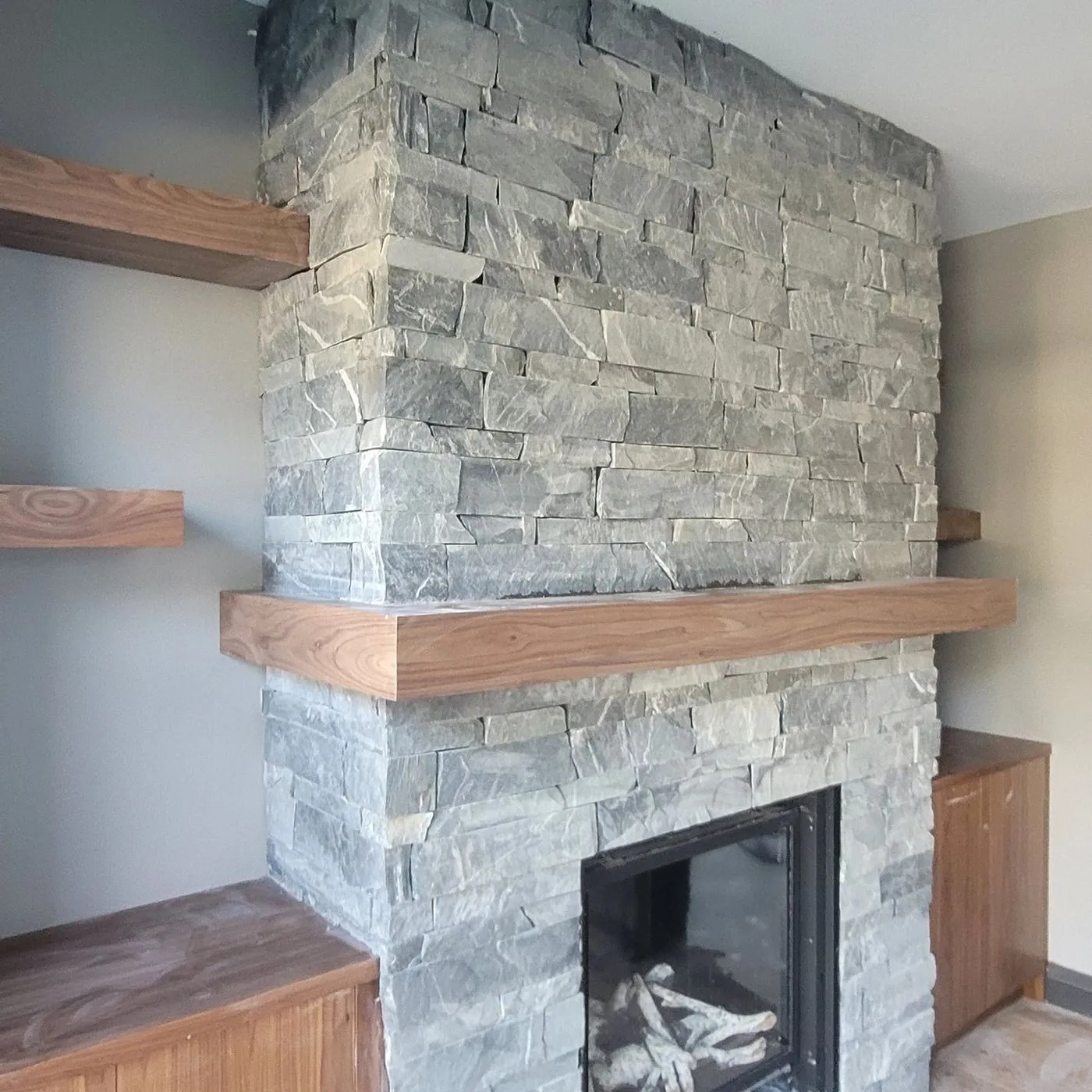
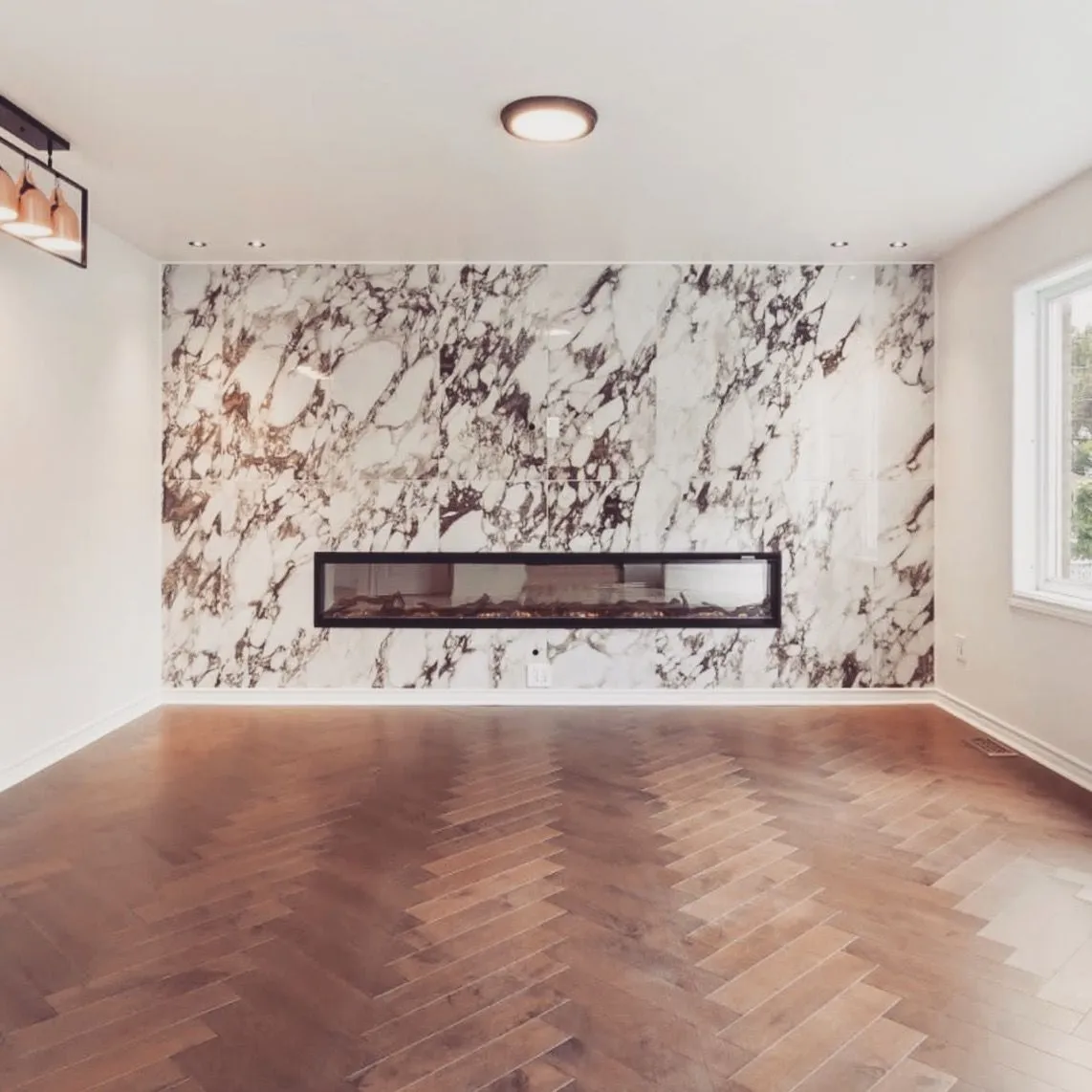
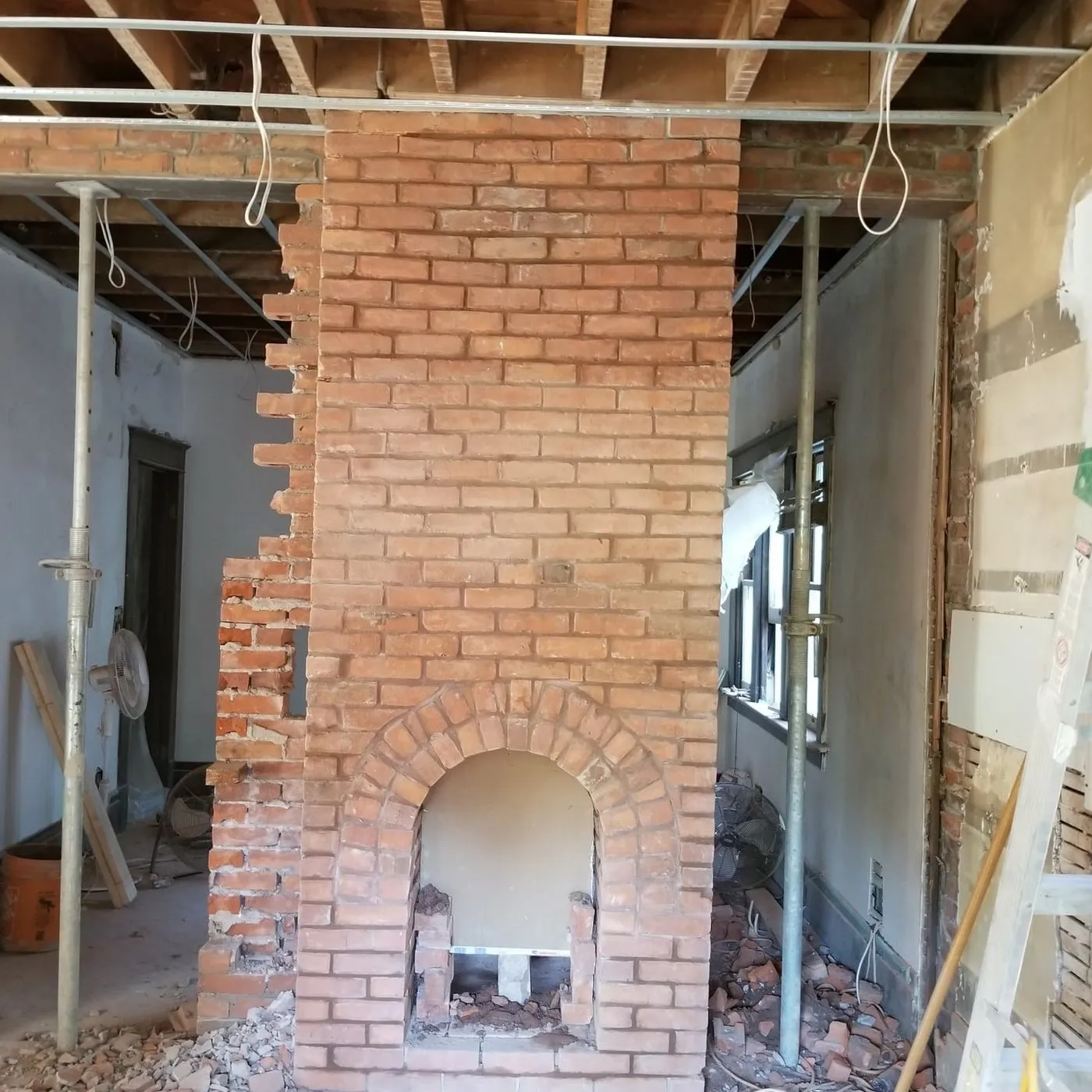
Whether you choose electric or gas, the surround is what makes it a feature. Popular Ontario upgrades include a floor-to-ceiling stone or tile wall, a modern linear insert, a reclaimed wood or stone mantel, and integrated shelving or millwork. A dated brick fireplace can be completely transformed by refacing it, often for a fraction of the cost of the rest of a renovation, and it becomes the anchor of the room.
We build custom fireplace walls in stone, tile, and millwork, matched to your space. Let us design yours.
Talk to ZeybekA gas fireplace must be installed by a licensed gas fitter and typically needs a gas permit and TSSA-regulated inspection. An electric fireplace usually needs an ESA electrical permit only if a new dedicated circuit is run. Any structural changes to the wall or chimney can also trigger a building permit. We coordinate the right trades and approvals as part of the build. See our permit guide.
A fireplace is a feature buyers notice, and a well-designed one lifts the whole room. Gas is often preferred for its real heat, but the bigger value driver is the design of the surround and how it fits the space. A tired fireplace updated into a clean, modern feature wall is a high-impact change, which is why it appears in our guide to renovations that add the most value.
An electric fireplace is much cheaper to install, usually $1,500 to $5,000, because it needs no gas line or venting. A gas fireplace costs $4,500 to $12,000 installed but delivers real heat.
Most gas fireplaces need venting, either direct vent through an exterior wall or a flue. Ventless models exist but face restrictions, so a licensed gas fitter should confirm what is allowed for your home.
Yes, and it is common, but heat management matters. A recessed niche, a mantel to deflect heat, and correct clearances protect the TV. Electric and modern direct-vent gas fireplaces make this easier.
Electric fireplaces provide supplemental heat that can take the chill off a room, but they are not as powerful as a gas fireplace or furnace. Many people run them mainly for the flame effect.
A gas fireplace must be installed by a licensed gas fitter and typically requires a gas permit and TSSA-regulated inspection. Structural changes to the wall may also require a building permit.

Zeybek Construction
General contractors, Ontario
Written by the Zeybek team from more than two decades of renovation and construction work across Ontario, from Toronto and the GTA to Kitchener, Waterloo, and beyond. We build kitchens, bathrooms, whole homes, additions, and commercial spaces, and we handle permits and inspections as part of the job.
Last updated July 1, 2026. This guide is general information for Ontario homeowners and is not a substitute for a site-specific quote or municipal advice. Costs and rules vary by municipality and project.
We design and build fireplace walls with stone, tile, and millwork, electric or gas. Get a quote, anywhere in Ontario.